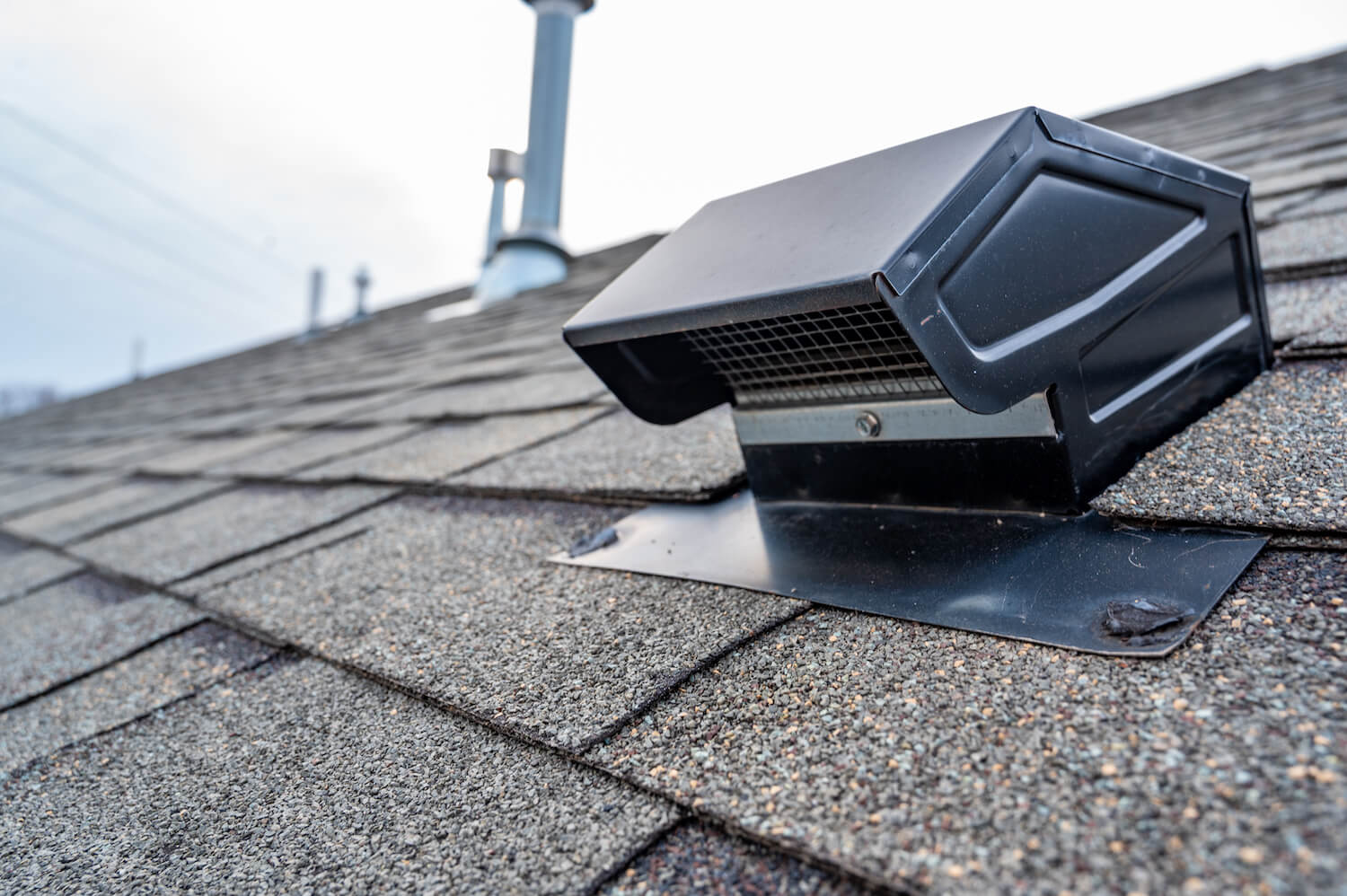
Homes today demand steady indoor comfort without relying heavily on mechanical cooling. Roof-based airflow planning has become a quiet contributor to temperature balance. In warm coastal regions, roof ventilation gold coast considerations often focus on reducing trapped heat efficiently. Well-managed airflow above living spaces supports calmer interiors throughout long daylight hours.
Smarter Airflow Improves Interior Stability
Modern roof ventilation systems guide warm air outward in a controlled, continuous manner rather than forcing abrupt exchanges. Heat that accumulates near roof cavities is released gradually, preventing downward transfer into occupied rooms. This steady movement helps interiors maintain a more consistent feel during prolonged warm conditions.
Design Choices Supporting Year-Round Balance
Roof ventilation planning considers building shape, roof pitch, and surrounding climate conditions. Each choice contributes to predictable airflow that supports comfort across seasonal shifts. Combined elements work together quietly, reducing internal heat pressure while preserving indoor stillness.
- Ridge openings guiding rising warm air
- Soffit intakes encouraging balanced circulation paths
- Profiled vents limiting moisture accumulation risks
- Weather-sealed edges reducing external infiltration
When these features operate together, airflow remains stable throughout the day. Interiors experience fewer temperature spikes during peak heat hours. Over time, living spaces feel noticeably calmer without constant adjustments.
How Does Roof Ventilation Reduce Heat?
Warm air naturally gathers beneath roof structures as sunlight intensifies. Vent openings allow that buildup to escape before spreading through ceilings and walls.
Does this movement protect insulation performance as well? Releasing excess warmth helps insulation maintain effectiveness while reducing lingering surface heat.
Installation Factors That Influence Performance
Accurate placement determines how efficiently air travels through roof cavities. Orientation toward prevailing breezes encourages smoother exhaust without turbulence. Material quality and spacing decisions further influence long-term reliability under changing weather conditions.
- Vent spacing matched to roof pitch
- Corrosion-resistant materials for coastal exposure
- Discreet profiles preserving exterior appearance
- Internal clearances preventing airflow obstruction
Correct installation ensures airflow remains silent and consistent. Homes benefit from dependable operation across changing temperatures. Thoughtful planning minimizes future maintenance concerns.
Is Natural Ventilation Enough for Homes?
Natural airflow often supports everyday comfort without energy consumption. Roof systems assist quietly, allowing warm air to exit as conditions change.
Can performance remain steady during extended heat periods? Continuous ventilation still limits prolonged heat retention even during warmer cycles.
Why Do Coastal Homes Need Extra Airflow?
Coastal environments combine humidity with strong solar exposure. Roof spaces can hold both moisture and heat simultaneously.
Does improved airflow address both concerns effectively? Releasing trapped air reduces damp buildup while helping interior temperatures remain stable.
Comfort Gains That Continue Quietly
Well-designed ventilation supports daily comfort without drawing attention. Airflow remains active above ceilings while rooms stay undisturbed. Many homeowners later reference roof ventilation gold coast solutions when seeking lasting indoor balance. The result is a home that feels consistently comfortable through natural airflow support.
Seasonal temperature shifts become easier to manage without sudden indoor changes. Living areas retain a steady atmosphere that feels breathable and relaxed. Over time, this quiet balance contributes to a more pleasant everyday living experience.