What Daily Habits Compromise Veneers and How to Protect Your Investment
- By Mark Naguib
- October 3, 2026
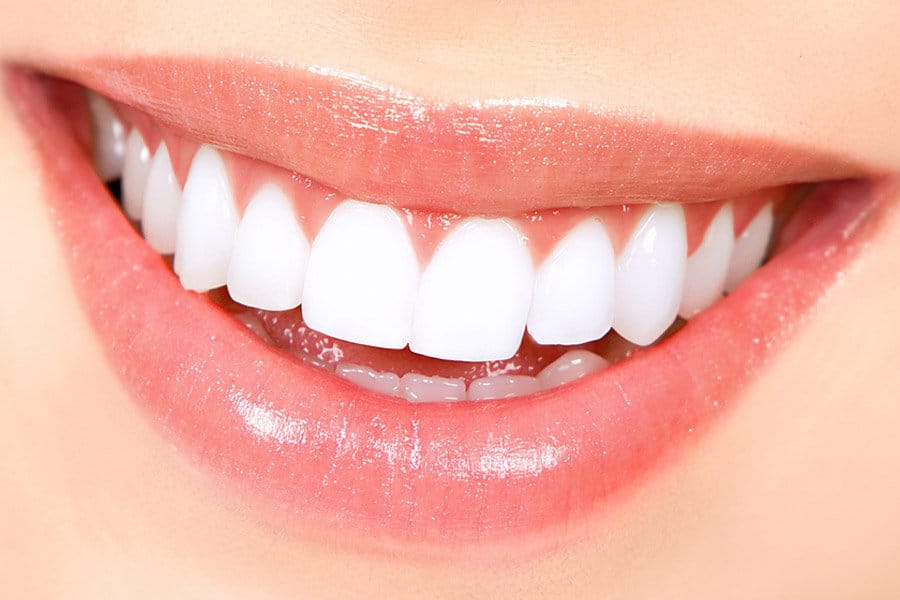
Understanding the Value of Your Smile Enhancement
Dental veneers represent a significant investment in one’s appearance and confidence, transforming smiles with remarkable results. These thin shells of porcelain or composite material are bonded to the front surface of teeth, creating a flawless aesthetic that can last for many years. However, the longevity of veneers depends heavily on how well they are maintained. Many patients who invest in veneers Liverpool practitioners provide are surprised to discover that certain everyday habits can significantly compromise their investment. Understanding which activities pose risks and implementing protective measures ensures that veneers remain pristine for as long as possible.
Common Daily Habits That Damage Veneers
Grinding and Clenching Teeth
Bruxism, the technical term for teeth grinding and clenching, stands as one of the most destructive habits for veneer longevity. This unconscious behaviour, which often occurs during sleep, exerts tremendous pressure on the delicate porcelain surfaces. Over time, this constant force can cause veneers to chip, crack, or even detach completely from the underlying tooth structure. The problem intensifies for individuals who experience stress-related jaw tension throughout the day, compounding the damage with prolonged periods of pressure. Those concerned about whether veneers need special maintenance should recognise bruxism as a primary concern requiring immediate attention.
Using Teeth as Tools
The temptation to use teeth for opening packaging, tearing tags, or cracking nuts represents a surprisingly common habit that places veneers at considerable risk. Whilst natural teeth possess remarkable strength, veneers are designed for biting and chewing food rather than withstanding the lateral forces created by these activities. Each instance of using teeth as makeshift tools creates micro-fractures that weaken the bonding material and compromise the structural integrity of the veneer itself. This seemingly harmless convenience can result in costly repairs or complete veneer replacement.
Consuming Staining Substances
Whilst porcelain veneers resist staining better than natural tooth enamel, the bonding material and any exposed natural tooth structure remain vulnerable to discolouration.
Regular consumption of coffee, tea, red wine, and dark-coloured foods gradually diminishes the brilliant appearance that makes veneers so desirable. The edges where veneers meet natural teeth are particularly susceptible to staining, creating an unsightly border that draws attention rather than enhancing the smile. Tobacco use accelerates this process exponentially, causing yellowing that cannot be reversed through standard whitening treatments.
Biting Hard Foods Incorrectly
Certain foods pose specific challenges for veneer wearers, particularly when consumed without proper technique. Biting directly into hard items such as apples, crusty bread, or raw carrots with the front teeth places excessive stress on veneers. The shearing force created during these actions differs significantly from the grinding motion used for chewing, potentially causing veneers to lift or fracture. Cutting food into smaller pieces and using the back teeth for initial breakdown significantly reduces this risk whilst still allowing enjoyment of a varied diet.
Protective Strategies for Long-Lasting Results
Implementing a Custom Night Guard
For individuals who grind their teeth, a professionally fitted night guard provides essential protection during sleep. These custom appliances create a barrier between upper and lower teeth, absorbing the forces that would otherwise damage veneers. Unlike over-the-counter options, professionally made guards offer superior fit and comfort, increasing compliance and effectiveness. Following comprehensive guidance for veneer care typically includes this crucial protective measure for at-risk patients.
Maintaining Excellent Oral Hygiene
Proper cleaning routines preserve both veneers and the underlying tooth structure. Brushing twice daily with non-abrasive toothpaste and using floss designed for delicate dental work prevents the accumulation of plaque that can compromise bonding integrity. Regular professional cleanings remove deposits that home care cannot address, whilst allowing dental practitioners to monitor veneer condition and identify potential issues before they become serious problems. Understanding proper maintenance protocols for dental veneers ensures optimal longevity.
Making Mindful Dietary Choices
Moderating consumption of staining beverages and using a straw when possible minimises contact with veneer surfaces. Rinsing the mouth with water after consuming potentially problematic foods or drinks helps neutralise acids and remove pigments before they can cause lasting damage.
Preserving Your Smile Investment
Protecting veneers requires conscious effort and lifestyle adjustments, yet these modifications become second nature with practice. By avoiding destructive habits and implementing protective strategies, veneer wearers can enjoy their enhanced smiles for many years, making the initial investment worthwhile and preserving the confidence that comes with a brilliant appearance.