Identify Suitable Millipedes For Sale For Home Habitat Projects
- By Mark Naguib
- June 26, 2026
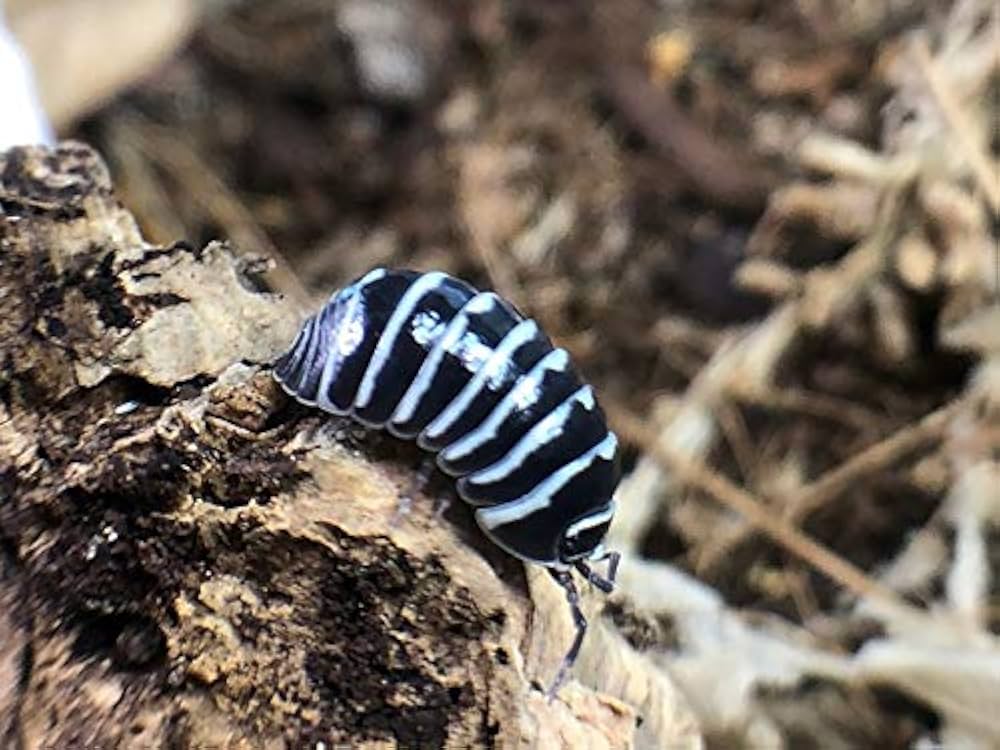
Creating a successful habitat begins with choosing healthy species that adapt well to enclosed environments. Careful selection helps maintain balance while supporting natural activity within the setup. Resources such as postpods can assist enthusiasts by providing useful information about habitat preparation, care practices, and suitable species choices before making a purchase decision.
Choosing Healthy Species For Beginners
Selecting anappropriate species is important for lasting success. Beginners frequently benefit from calm varieties that adjust effortlessly to enclosed atmospheres. Vigorous specimens usually display active movement, clear body segments, and natural behavior patterns that indicate proper condition before purchase.
Maintaining Suitable Moisture Levels Consistently
Appropriate moisture management supports wellbeing within enclosed habitats. Conditions that are too dry may create stress, while excessive dampness can cause problems. Regular monitoring aidskeep balanced surroundings that encourage healthy activity patterns throughout daily life.
Recognizing Signs of a Healthy Condition
Healthy specimens frequently display clear body structure, active behavior, and natural responses within suitable environmental conditions.
- Observe movement patterns during active periods.
- Check body appearance for visible issues.
- Review overall condition before completing purchase.
- Ensure specimens respond naturally to their surroundings.
- Avoid selections showing unusual physical concerns.

Providing Safe Hiding Areas Daily
Sheltered spaces help create a secure environment where specimens can rest without unnecessary disturbance. Natural hiding locations encourage normal activity patterns while reducing stress. A thoughtfully arranged habitat supports wellbeing while allowing observation of natural behaviors over time.
Creating Balanced Environmental Conditions Naturally
Stable surroundings support long-term success while helping selected species remain active within their habitat.
- Maintain consistent environmental settings every week.
- Avoid sudden changes affecting habitat balance.
- Support natural behavior through proper planning.
- Monitor conditions using reliable observation methods.
- Adjust habitat features whenever necessary, carefully.
Learning Long-Term Care Responsibilities
Successful habitat management requires commitment. Understanding ongoing care needs before purchasing helps prevent future problems. Reliable observation, proper keep, and suitable environmental conditions contribute to a stable setup that supports healthy activity throughout the lifespan of selected species.
Planning Habitat Growth for the Future
Future changes should be considered when selecting species to ensure adequate space remains available as development continues.
- Consider long-term enclosure requirements carefully.
- Prepare habitat adjustments when growth occurs.
- Review available space before future expansion.
- Maintain conditions supporting healthy development patterns.
- Plan responsibly for changing habitat needs.
Reliable sources, balanced environmental management, and regular maintenance all contribute to positive outcomes. Individuals searching for millipedes for sale should focus on healthy specimens, trusted suppliers, and practical habitat planning before making a decision. A thoughtful approach helps avoid common mistakes while supporting a successful project that remains rewarding over time through proper preparation and consistent care.