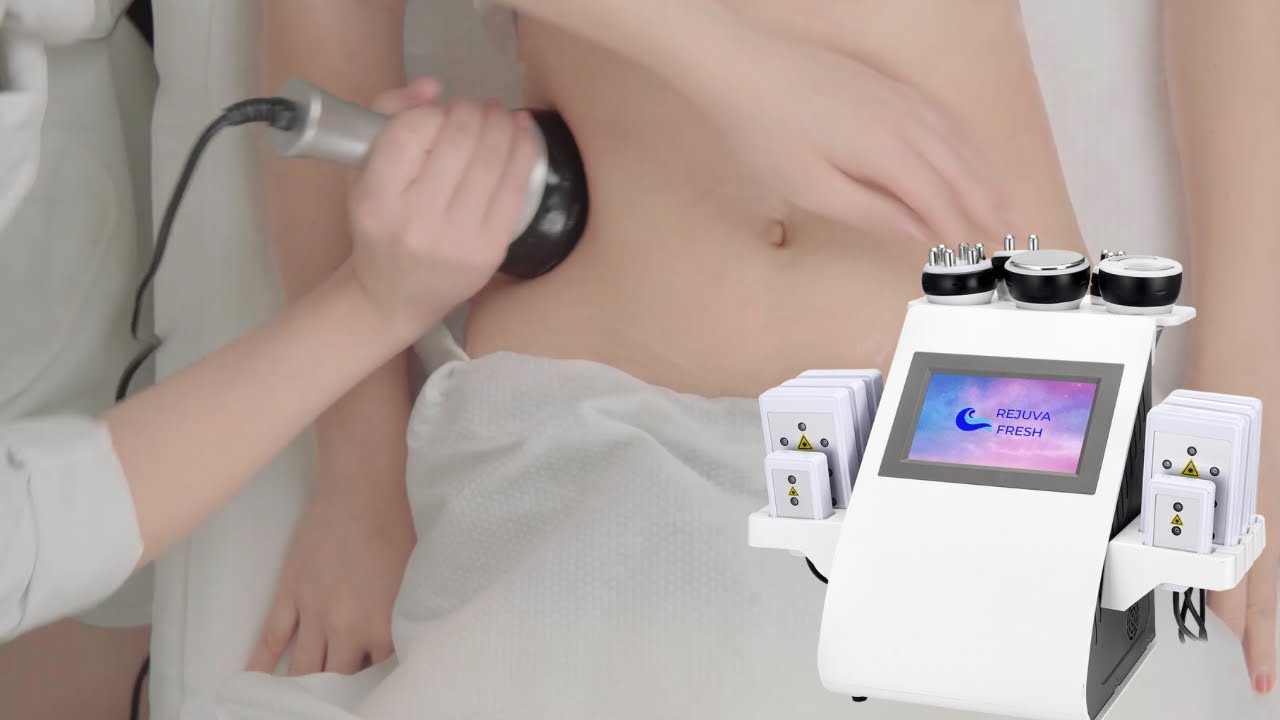
A steady shift toward gentle shaping tools has encouraged more specialists to explore devices that use focused sound energy. Many seek clear methods that fit structured plans so clients can see steady progress over time. Such interest often begins when someone asks what is a cavitation machine, so the opening step is to explain how this tool supports smoother outlines without complex routines. The approach suits organised programs that guide users through simple sessions that match each goal. This creates steady trust since each stage feels easy to follow for both providers and clients.
Role of Sound-Based Tools in Care Plans
Sound waves move through soft tissue, which supports steady smoothing during scheduled visits. The tool eases surface tension so targeted spots respond well to guided steps. Many providers choose this method since it fits flexible plans that adjust to user goals.
How These Tools Support Visible Change?
Devices create gentle motion inside soft layers so the shape shifts slowly over time. Specialists choose clear pacing so each zone receives focused care without discomfort. This results in smooth outlines that grow more balanced across regular sessions.
Steps to Build a Structured Action Plan
Clear plans help users understand how each stage supports gradual shaping. Providers outline each step so clients follow consistent routines that match individual goals. Simple guidance ensures predictable results without complex rules.
- Each session grows steady effects that match the user’s aims through patient care using ultrasonic cavitation.
- Scheduled visits guide shape shifts so clients recognise slow progress.
- Tailored zones respond well to planned routines shaped by expert direction.
- Guided sessions are adjusted through flexible timing that providers choose.
- Measured steps help maintain smoother forms across the full plan.
Why Do Users Prefer Gentle Energy-Based Tools?
Many clients appreciate methods that avoid strong force so comfort remains steady through each step. The tool supports smoother outlines since it uses sound rather than pressure. Providers choose this path because it fits long-term plans that need calm pacing.
- Users value soft shifts created through steady sound flow in each visit
- Providers select safe actions that match simple routines inside care plans
- Gentle tools create smoother surfaces that respond well to consistent work
Sample Table Showing Plan Elements
| Plan Stage | Purpose | Session Focus |
| First Step | Assess goals | Identify zones |
| Second Step | Shape outline | Guide sound flow |
| Third Step | Maintain form | Support steady shifts |
| Final Step | Review progress | Adjust routine |
Common Questions Section
- How long does each session take?
Short visits offer simple pacing that fits planned routines.
- Do results appear slowly?
Shifts grow through calm steps so progress stays steady.
- Can users return to their usual tasks?
Yes, simple activities resume quickly after each session.
- Does the tool cause strong pressure?
No, the motion stays soft during the process.
- Are plans custom-shaped for each user?
Yes, providers assess goals and then adjust steps.
6.How often are visits scheduled?
Most plans follow organised spacing for a steady outcome.
Fresh Path Forward
A clear strategy helps specialists guide each client toward balanced shaping through patient steps that suit personal aims. This steady method grows trust since the device offers calm progress across planned visits. Every provider can shape a simple path that avoids complex routines while still offering smooth outcomes.