Road surface impact on tire wear rates, maintenance planning tire reviews
- By Mark Naguib
- December 20, 2025
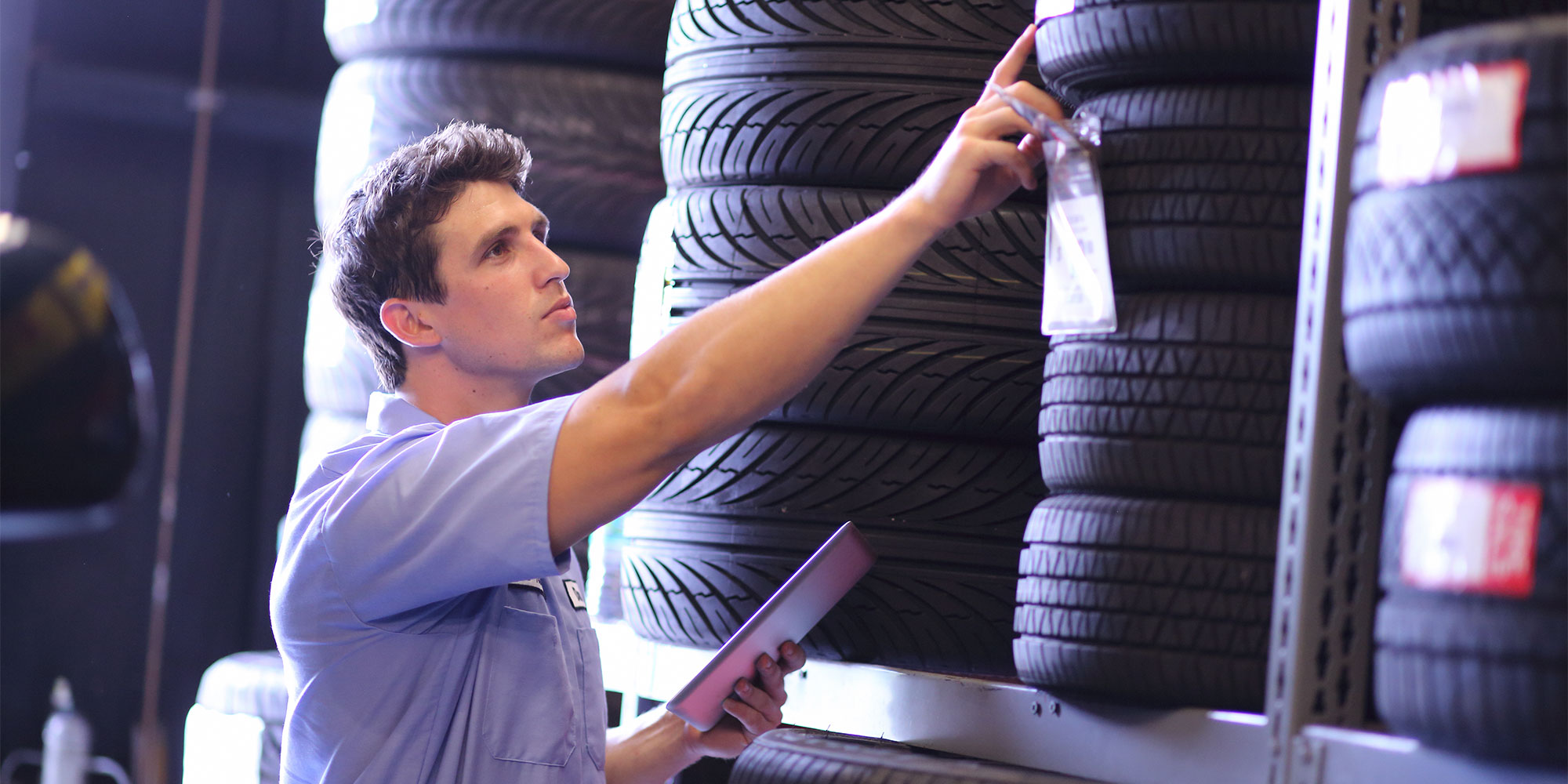
Daily movement places constant pressure on rolling surfaces across changing ground textures. Every surface type creates different friction heat stress levels during regular use. Wear rates vary widely depending on smoothness, debris, and moisture hardness. Many drivers consult tire reviews to understand durability expectations under real conditions. Awareness supports smarter upkeep schedules and safer handling results.
Surface texture determines abrasion speed.
Hard, rough ground increases friction quickly. Smooth pavement slows material loss over time.
Ground composition affects maintenance frequency
Different materials demand different care timing. Planning improves lifespan reliability.
Rough pavement accelerates tread erosion
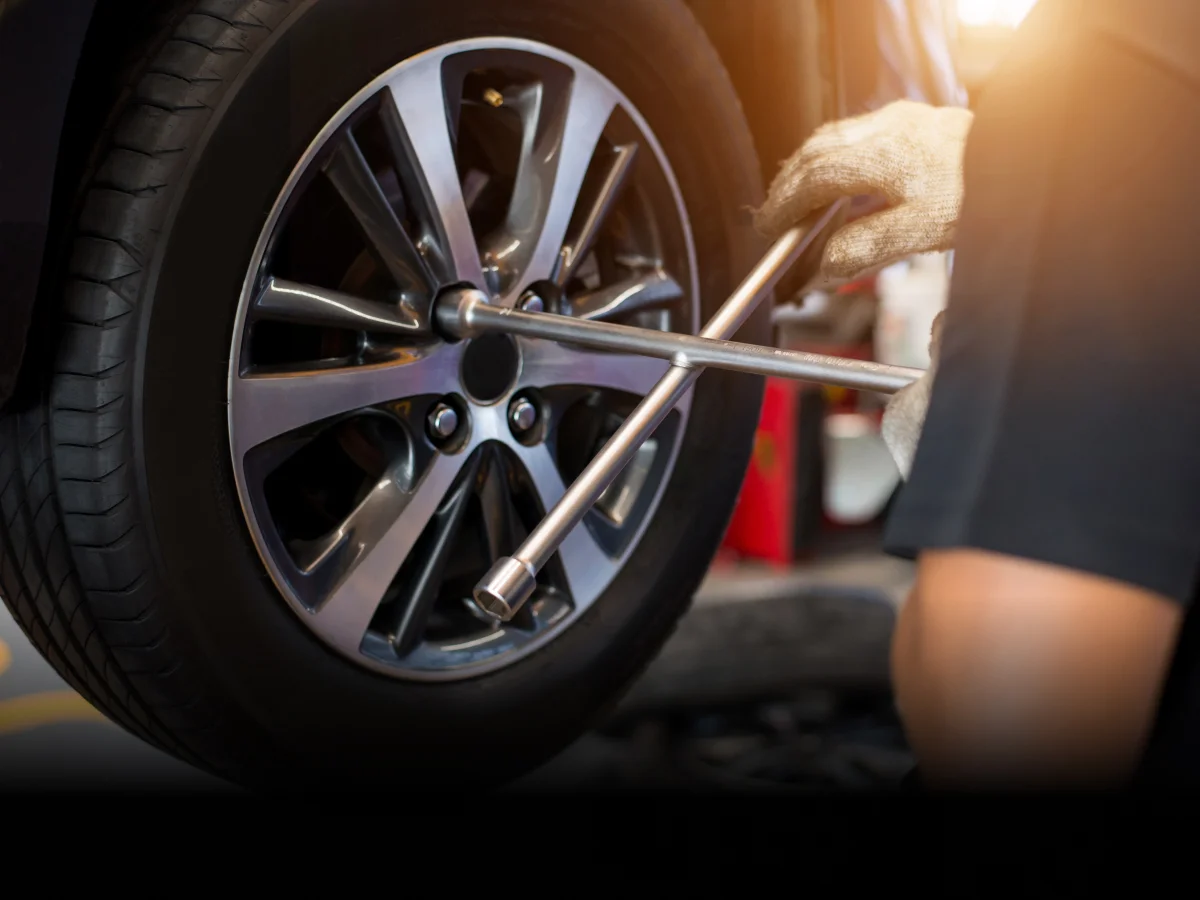
Uneven surfaces grind rubber aggressively. Contact stress rises during continuous movement.
- Coarse textures scrape tread blocks, causing faster depth reduction
- Sharp aggregates increase micro cuts, weakening surface integrity
- Repeated vibration stresses internal rubber layers
- Rough contact raises heat buildup, accelerating compound breakdown
- Continuous exposure shortens service duration noticeably
Smooth roads reduce wear progression
Even surfaces limit abrasion forces. Rubber maintains its shape longer.
- Flat pavement supports uniform pressure distribution
- Reduced vibration preserves internal structure stability
- Lower friction decreases heat accumulation during motion
- Tread patterns retain depth for extended periods
- Predictable wear simplifies replacement planning
Unpaved surfaces introduce damage risks
Loose materials create unpredictable contact. Surface integrity declines steadily.
- Gravel strikes chip tread edges, reducing grip reliability
- Dirt buildup clogs grooves, limiting water evacuation
- Sharp stones increase the likelihood of puncture frequently
- Dust abrasion smooths the tread surface prematurely
- Uneven contact accelerates irregular wear formation
Wet surfaces influence wear patterns
Moisture changes friction behaviour. Slip increases abrasion under braking.
- Water reduces traction, causing micro-sliding wear
- Repeated braking scuffs the tread surface faster
- Standing moisture softens the rubber compound gradually
- Drainage efficiency affects contact stability
- Wet exposure requires closer inspection intervals
Temperature interacts with surface stress
Heat amplifies abrasion effects. Cold stiffens rubber, altering contact behaviour.
- Hot surfaces soften rubber, increasing friction damage
- Cold ground hardens material, reducing flexibility
- Rapid temperature shifts stress compound bonds
- Seasonal changes affect maintenance timing
- Monitoring prevents unnoticed degradation
Smarter surface care
Awareness of ground influence supports reliable upkeep planning consistently. Adjusting routines reduces unnecessary wear expenses. Surface-specific habits improve durability outcomes. Balanced inspection timing prevents sudden failures. Insights gained through tire reviews help align maintenance planning with real surface exposure patterns.